Special RateVeterans & families in senior careVeterans & senior care — ask about The Storybook at a special rateLearn more →
Legacy Storybook 310.894.6435 Take the First Step

Free Guide · Gift Ideas

Gifts for Elderly Parents Who Have Everything

By their seventies and eighties, most parents are giving things away, not collecting them. The gifts that get used are help, your time, something good to eat, and their story in their own words, while the details are still there. Here are 24 gifts for elderly parents who have everything, plus what works for dementia and assisted living.

Updated October 11, 2026From the founders of Legacy Storybook6-minute read

It doesn’t take money to show love — it takes presence.
Cheryl, in her memoir
Sweet messages from my children and husband. Seeing and hearing from my grandchildren. The small warmth of a conversation that surprises you with its depth.
CherylFrom her Legacy Storybook memoir
I enjoy being around our family—our children and grandchildren. That brings joy to me.
RogerFrom his Legacy Storybook memoir

Neither of them named something they own. That’s the brief for every idea in this guide.

Before you buy: the four-question test

Ask all four

  1. Will they use it every week?

  2. Does it take a job away, or add one?

  3. Does it bring people to them?

  4. Will anyone want it in twenty years?

Two out of four makes a good gift. The one that passes all four is near the end.

Help · 6 ideas

Gifts that take work off their plate

Most parents won’t ask for help. Book it, don’t offer it.

  • A cleaning service for the season. Book the first visit before you give the card.
  • Yard, gutters or snow. The ladder and shovel jobs, booked for the whole season.
  • Meals they don’t have to cook. Your cooking, frozen in single portions, labeled large.
  • A handyman half-day. The high bulb, the sticking door, the smoke alarm that chirps at 3 a.m.
  • An afternoon of tech help. Bigger text, video calls one tap away, the steps on paper.
  • Rides. A standing ride to what they’ve quietly stopped going to: church, the barber, an old friend.

Less stuff · 4 ideas

Gifts that leave them with less, not more

  • Scan the photo boxes. Label who’s who while your parent can tell you, or a box of photos becomes a box of strangers.
  • Rescue the home movies. Digitize them, then record what your parent says while they watch.
  • One closet, one Saturday. They decide, you lift, and the day ends at the charity they choose.
  • A photo frame that fills itself. Set it up first, so the family can send photos from their phones.

Your time · 5 ideas

Gifts of your time

It’s the gift the people in our books talk about most.

  • A standing date. “I’ll call more” doesn’t happen. “Sundays at four” does.
  • A day trip into their past. Drive to the town they grew up in with a voice memo running. That’s where the untold stories come out. How to keep them talking.
  • Their old favorite restaurant, at the quiet hour. A weekday lunch: easier to hear, easier to park.
  • The music they danced to. A matinee of the songs from when they were twenty.
  • Ask them to teach you something. The pie crust, the card game. Being the expert again is a gift.

Used up · 5 ideas

Gifts that get used up

  • A taste of their childhood. The candy or dish they can’t get anymore, or a family recipe made by you.
  • Their favorites, restocked. The hand cream or coffee they won’t splurge on.
  • Flowers on a schedule. One bouquet a month, and a reason to call you.
  • For the letter writers. Good cards, stamps and every grandchild’s address, written large.
  • Something to read or hear. Large print, or audiobooks on a device they already use.

Comfort · 4 ideas

Comfort they’ll actually use

Practical gifts work when they replace something worn out.

  • A heated throw. Over their favorite chair, it’s a heated seat.
  • Better light where they read. Eyes need more light with age.
  • Slippers with a real sole. Grip and a back, to replace the worn-flat pair.
  • One better everyday thing. The mug, the knife, the reading glasses. The old one goes.

Their story

The gift that passes all four questions

Your parent owns one thing nobody else has: their story. Every year a little more of it goes unasked, and nobody else can tell it for them.

  • Used every week
  • Takes a job away
  • Brings people to them
  • Worth more in twenty years
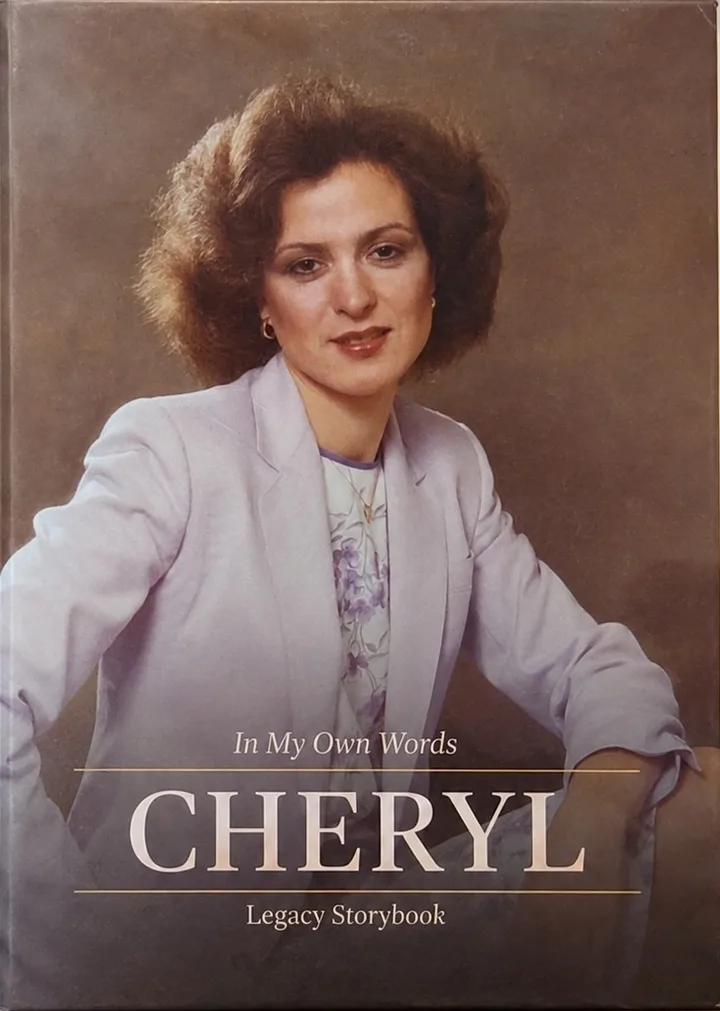
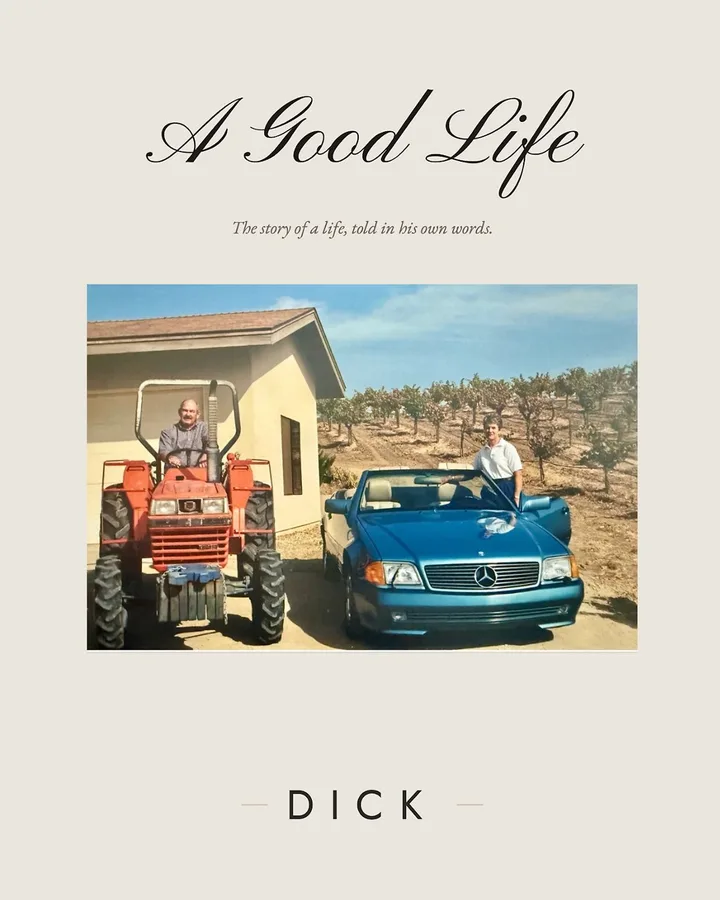
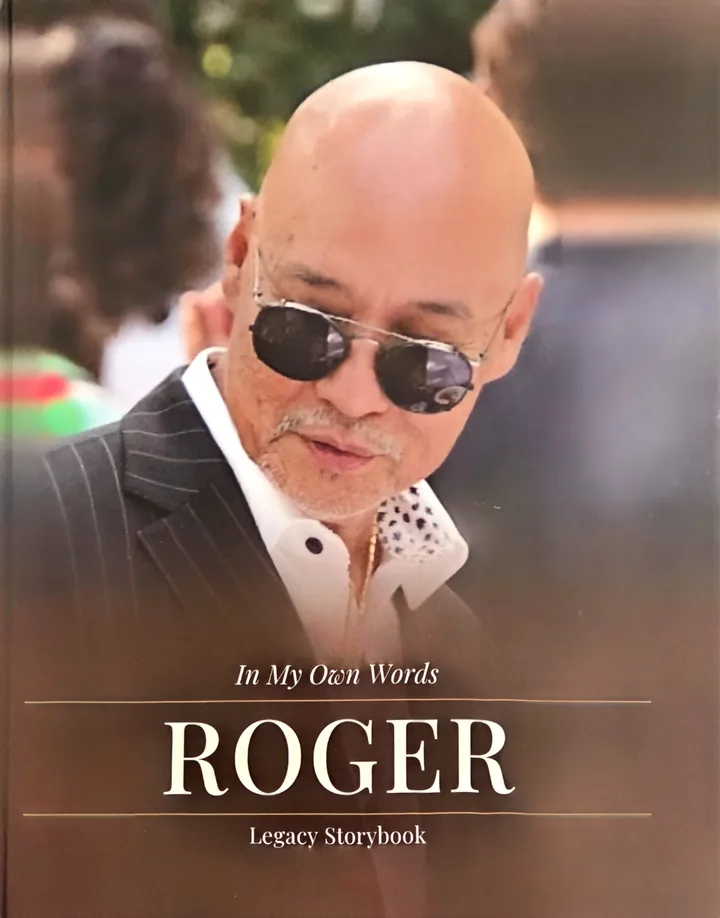
Cheryl’s book: In My Own Words, with her portrait from decades ago on the cover. Dick’s book: A Good Life, the story of a life told in his own words. Kidisti’s book: In My Own Words, with a photograph of her as a young woman on the cover. Roger’s book: In My Own Words, with his photograph on the cover.
Real books we’ve written with families. See inside one →

You don’t realize how much is still in there until someone knows how to ask.Kidisti H., whose book we wrote

Four ways to do it. The difference is who does the work.

WayWho does the workWhat you end up with
Record it yourselfYou ask, they talkRecordings of their voice. Start with our questions guide.
A guided journalYour parent writesA journal, if it gets finished
Weekly emailed promptsYour parent writesA printed book of their answers
An interview memoirAn interviewer asks, they talkAn edited hardcover in their own voice. This is what we do.

Why we do it by conversation

Journals stall when nobody asks the next question. Ours come from three to six hours of conversation: one of our founders asks and follows up, then writes the book in your parent’s voice. See inside a real book →

If your parent needs more care

If your parent has dementia

Keep it simple, familiar and sensory.

  • Music from their teens and twenties, on a radio with one big button.
  • A photo album with names and years under every picture.
  • Something familiar to hold and sort: cards, buttons, old recipe cards.
  • Shorter visits, more often, at their best time of day.
  • Their story, while the diagnosis is new. Long-ago memories are often still clear, and a book tells every new caregiver who they’re caring for. Tips for when memory is fading.

If they live in assisted living or a nursing home

Space is small and the rules are real.

  • Ask before buying anything that plugs in or heats up.
  • Label everything with their name, clothes included.
  • One good thing beats five small ones.
  • A framed photo with a caption: who, where, when.
  • A wall calendar with every visit already written in.

The best gift there is still you, on a schedule. Cheryl brought her children to see her father every Sunday after church, with his favorite pineapple milkshake from Dairy Queen.

Questions families ask

What do you buy an 80-year-old who has everything?

Something that doesn’t need a shelf: help with a hard chore, a standing visit, a taste of their childhood, or their life story.

What do you give parents who say they don’t want anything?

Time, help or something they’ll use up. “Don’t get me anything” usually means “don’t add to the clutter,” not “don’t think of me.”

What is a meaningful gift for elderly parents?

One about them, not the object: an old photo with a card asking about that day, or a book of their life.

What are good inexpensive gifts for elderly parents?

A standing weekly call, labeled photos, a dish from their childhood, or an afternoon recording their stories.

What is a good last-minute Christmas gift for elderly parents?

Wrap a plan, not a product: a card with the date of a cleaning visit, a day trip or your first recording session, for January, when the house goes quiet.

What should I avoid giving elderly parents?

Anything that needs learning, charging or a password. Knickknacks they’ll feel they must display. In assisted living, anything that plugs in.

For the parent who has everything

Their life, in their own words, in a book your family keeps.

Most families mean to ask. Then one day, they can’t. We sit down with your parent, record their life in their own words, and turn it into a hardcover book your family keeps for generations. One founder from the first call to the finished book, three rounds of revisions, and nothing prints until your family signs off.

Free · 30 minutes · No commitment required.

The cover of Dick’s finished Legacy Storybook memoir
“Oh, I’d say do it. I think it’s a great thing.”Dick, on his finished memoir